Jan 27, 2026
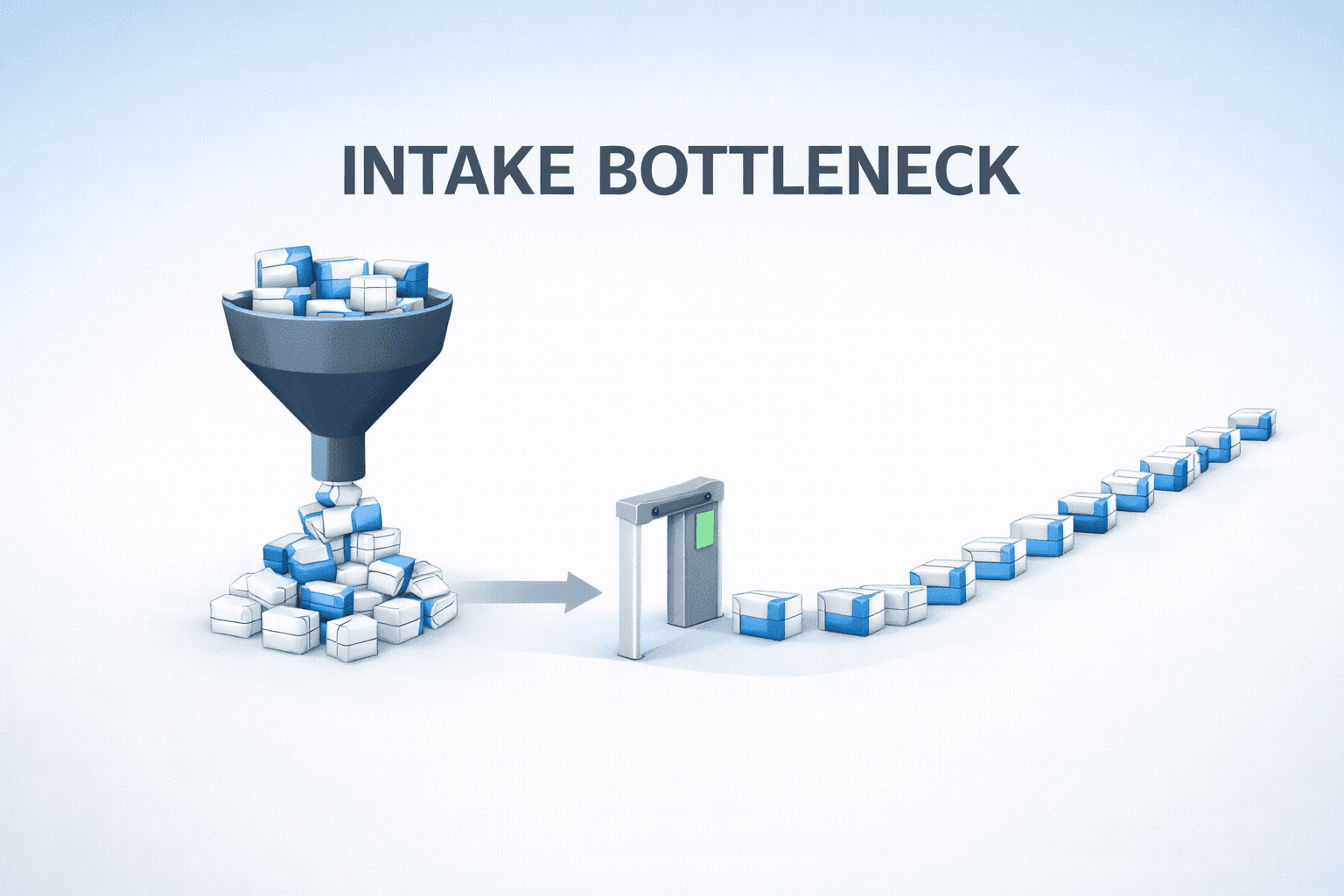
Labs don’t go late because technicians are slow. Labs go late because technicians get pulled into detective work.
What the survey showed
Half of the respondents said they spend 2–4 hours/day triaging incoming scans, files, and messages.
That’s not “admin overhead”. That’s your production constraint & bottleneck.
Why triage feels heavier than it looks
Triage is cognitively expensive because it’s interruption-driven work.
Research on fragmented work shows that interrupted tasks often take meaningful time to resume, and people bounce between multiple activities before returning.
This maps eerily well to lab reality:
You open the scanner portal
Download scan
Check email thread
Ask for shade photos
Realise it might be a remake
Try to find the original case
Message the clinic
Wait
Restart
That loop is exactly why intake feels like being busy without making progress.
The deeper problem: “No Definition of Done” for intake
Most labs have a Definition of Done for production:
model ready
design approved
print schedule
pack & ship
But intake often has no hard gate. It’s vibes.
So cases leak into production half-formed… and the cost shows up later as remakes, delays, and stress.
What good looks like: a 3-stage intake gate
This is a simple approach you can use even if you’re fully manual.
Gate 1 — Identity
Patient + clinic + case type
New vs remake vs revision
Due date (confirmed)
Gate 2 — Inputs
Upper/lower scans present
Bite present
Photos present if required
Rx requirements captured (shade, material, IPR/attachments, special notes)
Gate 3 — Commit
If missing: auto-create a “missing list” and assign ownership
If complete: move the case into the production queue with confidence
Where tech helps (without being salesy)
Your survey also signals what labs want improved: intake standardisation and better scan submission consistency rank highly.
This is exactly the kind of problem software should solve:
Make intake rules explicit
Reduce switching
Stop half-formed cases from entering production
Download the free UK Lab Pulse one-pager (it includes the benchmark pain points + what labs ranked as priorities):
The Lab Became the Integration Layer (and nobody asked us)
January 27, 2026
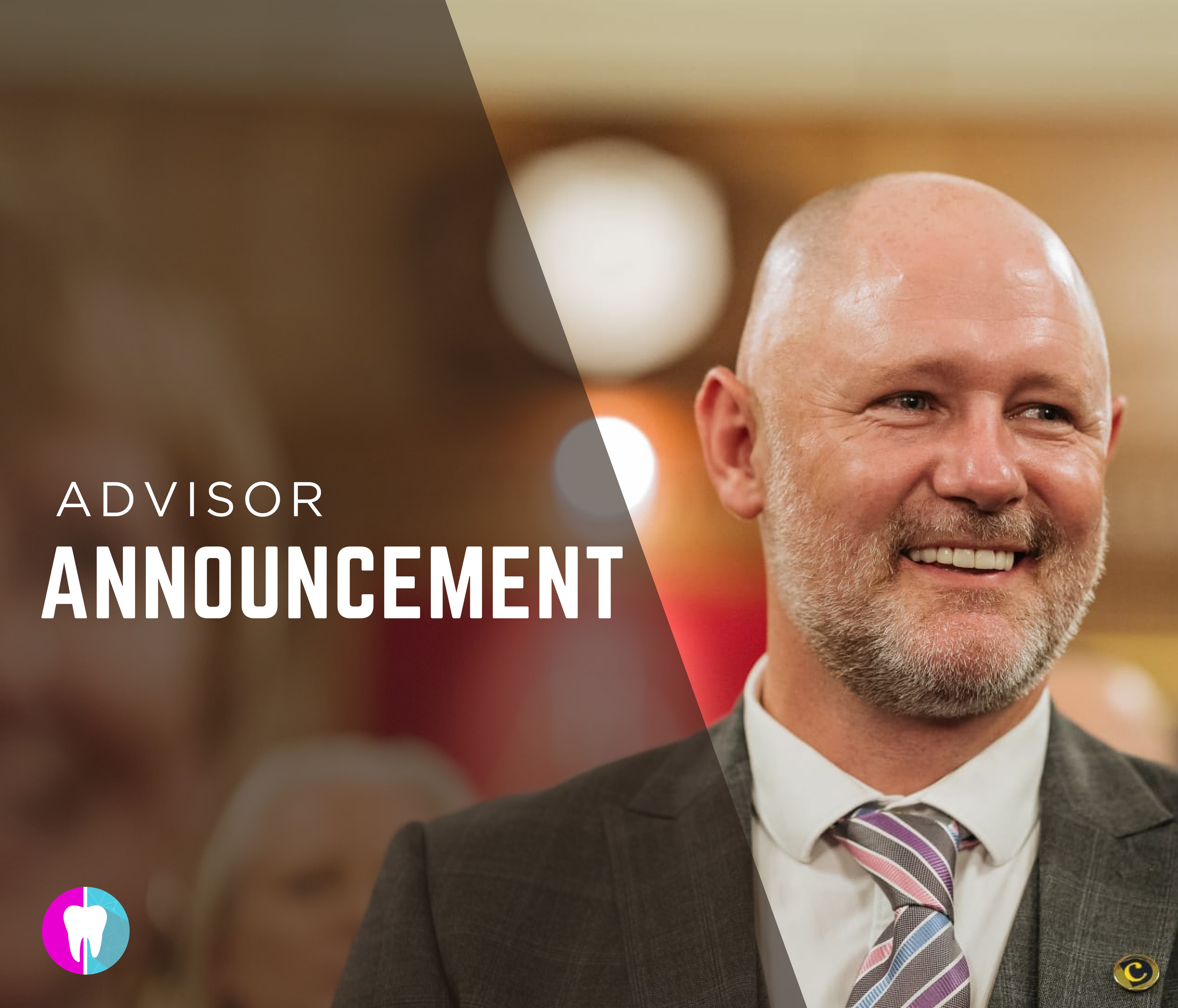
Matt Everatt joins as an advisor to Smile Genius
December 18, 2025
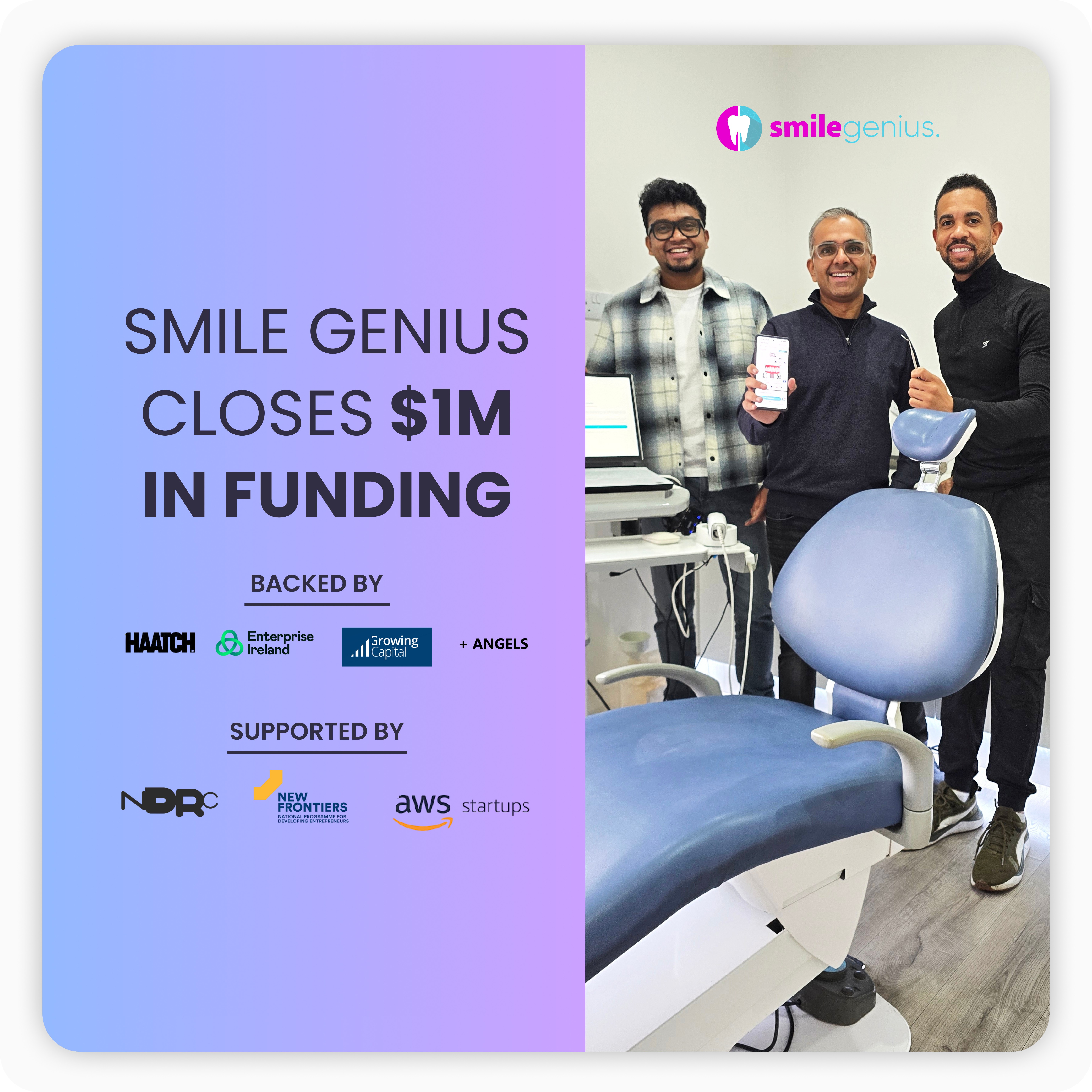
A New Chapter for Dentistry’s Shared Operating Layer
December 16, 2025
